
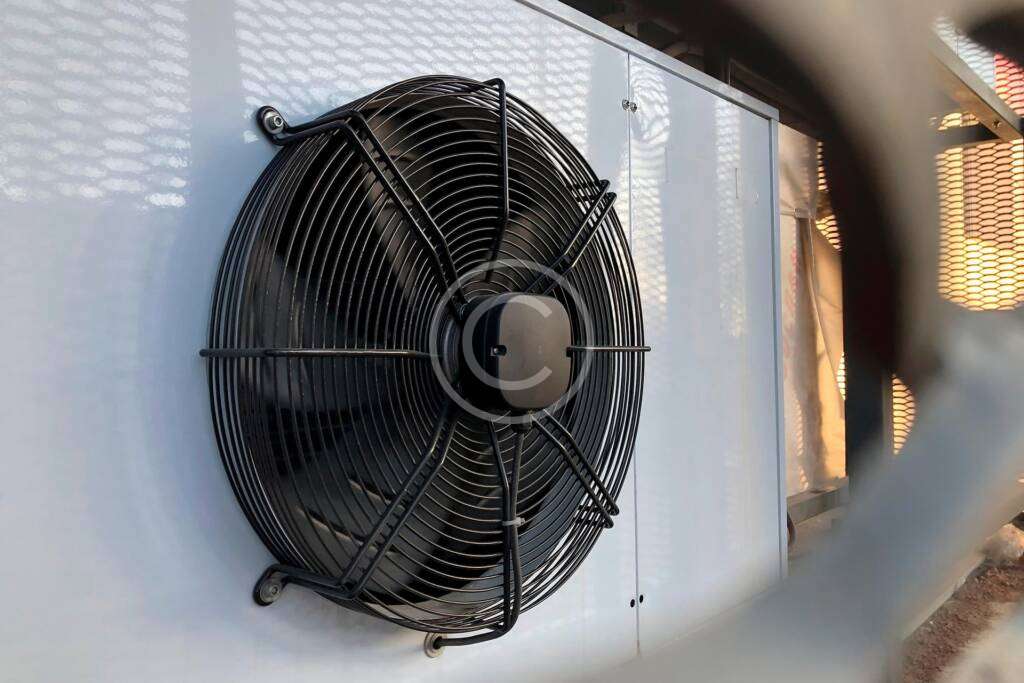
Food processing & storage
Temperature control is essential during processing, packaging, and storage. Efficient cooling systems help maintain food safety standards and extend shelf life.
Manufacturing
Industrial machines generate significant heat. Process cooling prevents thermal stress, improves equipment lifespan, and maintains production accuracy.
Wineries
Precise temperature control during fermentation and storage ensures consistent wine quality and protects tanks from fluctuations.
Custom equipment
Tailored cooling solutions prevent overheating, ensure stable performance, and extend equipment lifespan.
Process Cooling Solutions for Industrial Efficiency and Temperature Control
Process cooling plays a critical role in modern industrial operations where precise temperature control is essential for product quality, equipment performance, and energy efficiency. From food production facilities to large-scale manufacturing plants, reliable process cooling systems ensure stable operations and reduced downtime.
Companies that invest in professional process cooling solutions benefit from improved productivity, optimized energy consumption, and long-term operational reliability.
What Is Process Cooling?
Process cooling refers to the removal of excess heat generated during industrial production processes. Unlike comfort cooling (air conditioning), process cooling is designed specifically to maintain controlled temperatures for machinery, products, or industrial environments.
Properly engineered cooling systems ensure consistent process performance and protect critical equipment from overheating.
Customized Process Cooling Solutions
Every industrial operation has unique cooling requirements. Professional providers design and implement tailored systems based on:
From system design and engineering to installation and maintenance, customized solutions guarantee optimal performance throughout the entire lifecycle of the equipment.
Why Process Cooling Is Essential for Modern Industry
As industries continue to evolve and production demands increase, process cooling becomes even more important. Energy efficiency, sustainability, and operational reliability are now key competitive advantages.
A properly designed process cooling system not only improves performance but also reduces operating costs and supports sustainable industrial growth.